If something goes wrong
Hospitals & clinics
For serious illness or injury, call 119. For anything else, a small clinic (kurinikku or iin) is usually quicker than a big hospital. The JNTO search below lists places that speak your language.
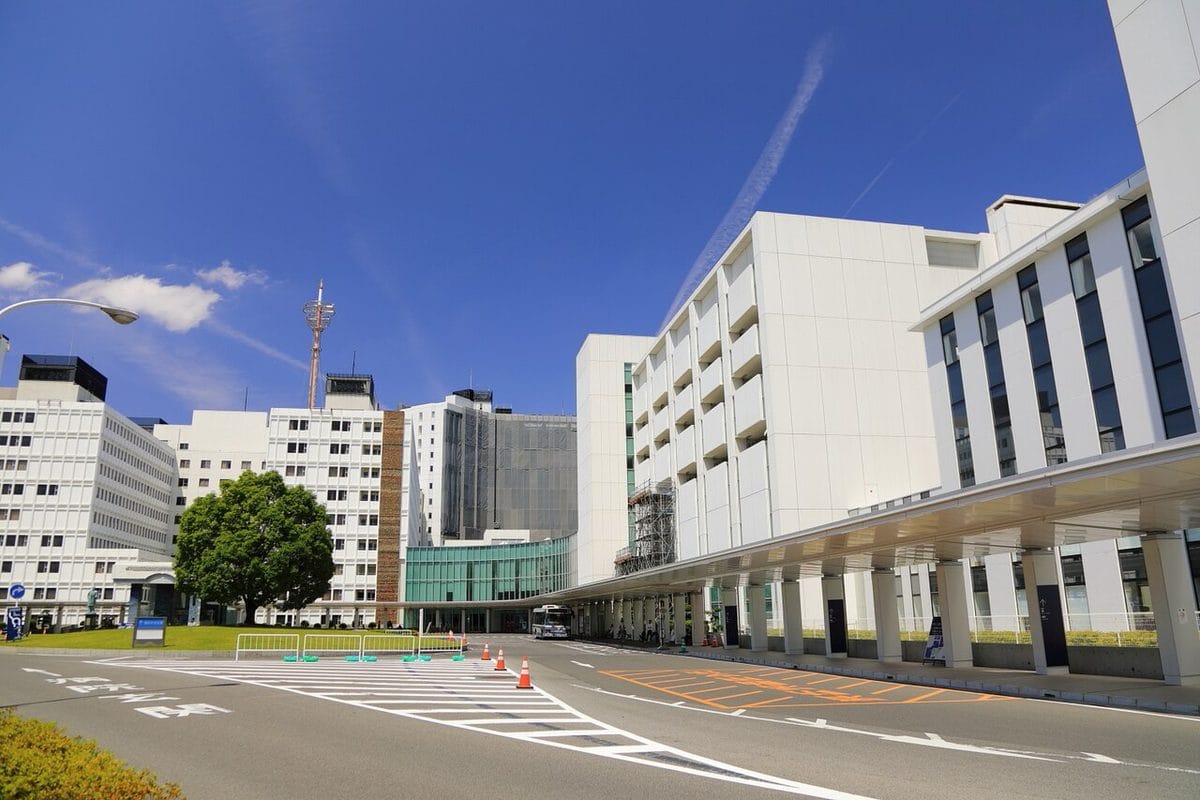
Photo: Tomio344456 / Wikimedia Commons (CC BY-SA 4.0)
Before you travel
Step by step
Buy travel insurance that covers medical costs in Japan — ideally one that pays the hospital directly (cashless).
Save the insurer's 24-hour phone number and your policy number on your phone.
Write down any allergies and the names of medicines you take, in English.
Common mistakes
- Travelling without medical cover and paying a hospital bill in full.
Finding a doctor
Step by step
Search the JNTO medical guide (linked below) — filter by language, department and card payment.
Or ask your hotel to call a nearby clinic for you.
The Japan Visitor Hotline (050-3816-2787) can also help in English, Chinese or Korean, 24 hours.
Common mistakes
- Going straight to a big university hospital for a cold.
At the clinic
Step by step
Bring your passport, travel insurance details and enough cash.
At reception (受付, uketsuke), show your passport and the line below.
Fill in the form about your symptoms. Ask for an English form if there is one.
Ask for an estimate of the cost before treatment if you're worried.
Common mistakes
- Arriving at lunchtime or just before closing — many clinics close for a break.
Costs
Visitors pay the full price unless their insurance pays the hospital directly. Big hospitals often take cards; small clinics are often cash only. Large hospitals also add an extra fee if you come without a referral letter.
Common mistakes
- Throwing away receipts and medical certificates — your insurer will ask for them.
Find one near you
Opens your map app and searches around where you are. The Japanese is there to show someone if you need directions.
- HospitalHospitals and clinics around you
病院byōin
- PharmacyMedicine and a pharmacist’s advice
薬局yakkyoku
Official help
Sources
Sources (checked 2026-11-04). Facts, numbers and prices on this page come from these official pages.
- Japan National Tourism Organization (JNTO)Guide for when you are feeling ill(opens in a new tab)JNTO: guide to getting medical care when you feel ill
- Japan Tourism AgencyInformation on illnesses, injuries, and disasters(opens in a new tab)Japan Tourism Agency: help with illness, injury and disasters
- Tokyo Metropolitan Police DepartmentFor Visitors to Tokyo(opens in a new tab)Tokyo Metropolitan Police: crime safety advice for visitors
- Japan National Tourism Organization (JNTO)Japan Visitor Hotline(opens in a new tab)JNTO: the 24-hour Japan Visitor Hotline for travellers
More in this section
- Calling 110 & 119Which number to call, and what the operator will ask.
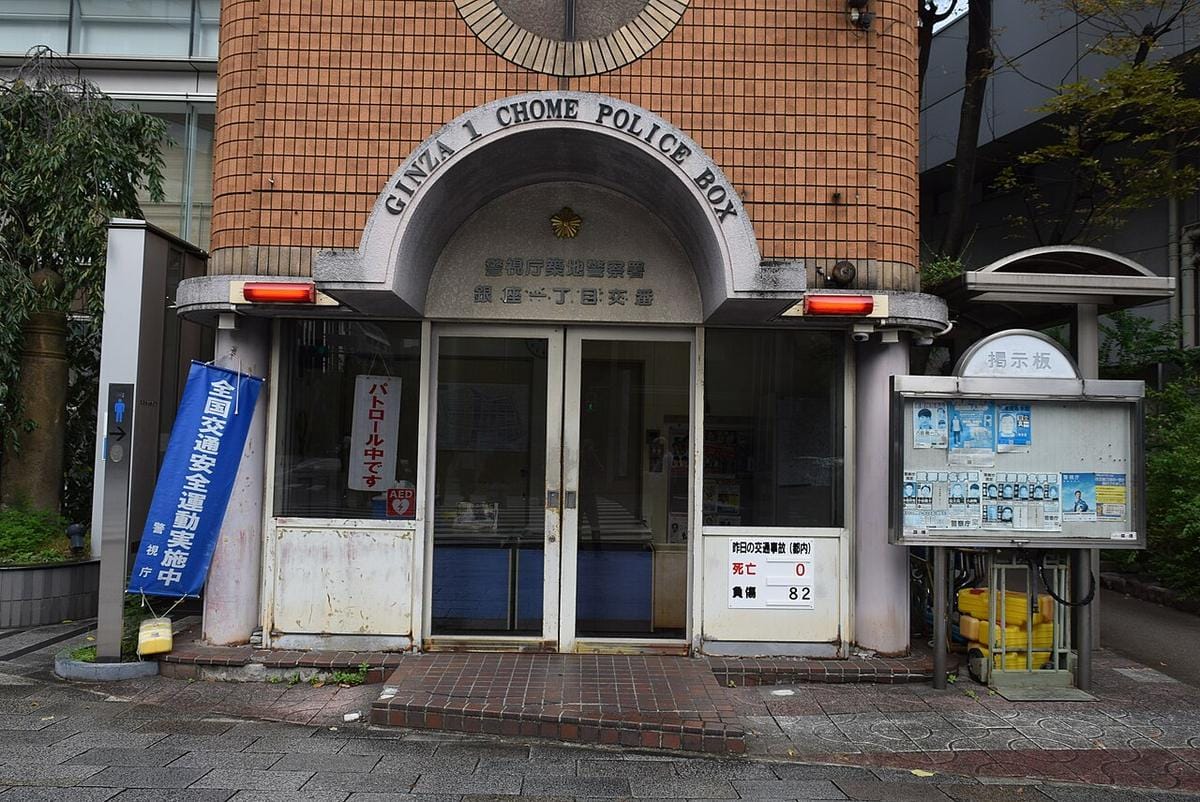 Police & lost thingsPolice boxes, reporting a theft and finding lost property.
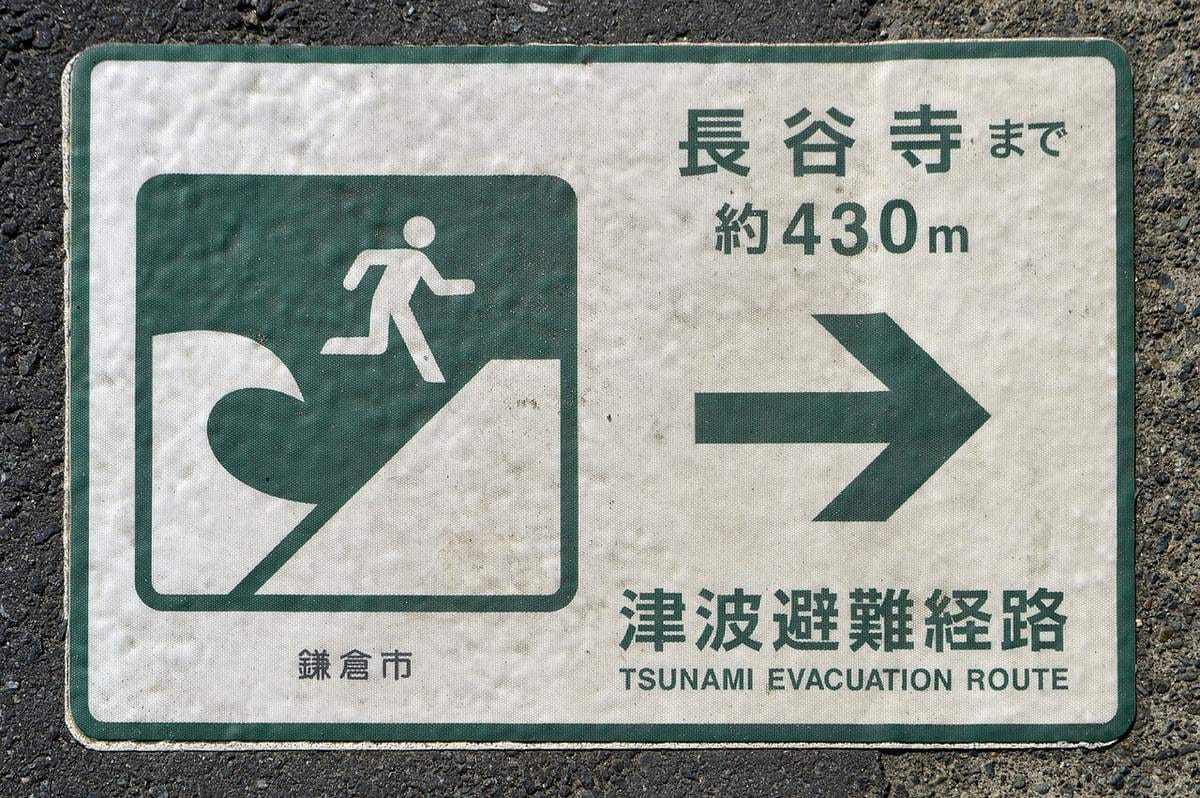 Earthquakes & evacuationWhat to do during the shaking, after it, and if a tsunami is coming.
- Lost passportPolice report first, then your embassy.
- HeatstrokeSpotting it early, heat alerts, and keeping cool.
- Lost card & no cashBlock a lost card, and where to get cash with an overseas card.