If something goes wrong
Calling 110 & 119
In Japan, 110 is the police and 119 is an ambulance or the fire brigade. Both are free and work 24 hours from any phone. You'll be asked questions in Japanese first, but interpreters are available in many areas.
Which number?
- 119 — ambulance or fire. Serious illness, injury, someone who has collapsed, a fire.
- 110 — police. Crime, theft, a traffic accident, someone in danger.
- 050-3816-2787 — Japan Visitor Hotline, 24 hours in English, Chinese and Korean, for help and advice when it's not a 110/119 emergency.
Common mistakes
- Calling your home country's emergency number (911, 112, 999). In Japan, use 110 or 119.
Calling 119 for an ambulance
The operator first asks “Kaji desu ka, kyūkyū desu ka?” — fire or ambulance? Follow the conversation below and read the Japanese out loud.
Step by step
Say “Kyūkyū desu” (ambulance).
Give the address. If you don't know it, ask someone nearby with the line below, or read a sign, a vending machine sticker or a lamp post number.
Say what happened and how many people are hurt.
Give your name and phone number, and wait somewhere visible.
Common mistakes
- Hanging up before the operator has the address.
- Not knowing where you are. Keep the name of your hotel and its address on your phone.
Good to know: You cannot choose the hospital the ambulance goes to.
Read this out on the phone
Say it slowly. The operator asks first — answer one line at a time.
1 · Operator
火事ですか、救急ですか。
Kaji desu ka, kyūkyū desu ka.
“Fire or ambulance?”
You
Kyūkyū desu.
救急です。
It's an ambulance call (medical emergency).
or
Kaji desu.
火事です。
It's a fire.
2 · Operator
救急車が向かう住所を教えてください。
Kyūkyūsha ga mukau jūsho o oshiete kudasai.
“Tell me the address for the ambulance.”
You
Jūsho wa __ desu.
住所は__です。
The address is ___.
3 · Operator
どうしましたか。
Dō shimashita ka.
“What happened?”
You
Hito ga taorete, ishiki ga arimasen.
人が倒れて、意識がありません。
Someone has collapsed and is unconscious.
or
Keganin ga imasu.
けが人がいます。
Someone is injured.
4 · Operator
名前を教えてください。
Namae o oshiete kudasai.
“Tell me your name.” They may ask for your phone number too.
You
Namae wa __ desu.
名前は__です。
My name is ___.
If you need it
Eigo no tsūyaku o onegai shimasu.
英語の通訳をお願いします。
An English interpreter, please.
Calling 110 for the police
Step by step
The operator first asks 「事件ですか、事故ですか」 (jiken desu ka, jiko desu ka — an incident or an accident?). Answer 「事件です」 (jiken desu) or 「事故です」 (jiko desu), then say briefly what happened.
Say where you are — a landmark helps — and whether anyone is hurt.
Give your name and phone number and stay on the line. Ask for an interpreter: “Eigo de onegai shimasu”.
Common mistakes
- Calling 110 for lost items — go to a police box (koban) instead.
Not sure if it's an emergency?
#7119 connects you to doctors and nurses who advise whether you need an ambulance. It is mainly in Japanese and not available everywhere. The Japan Visitor Hotline can help in your language.
Common mistakes
- Waiting too long. If someone is unconscious or not breathing, call 119 at once.
Find one near you
Opens your map app and searches around where you are. The Japanese is there to show someone if you need directions.
- Police box (koban)Lost things, theft, directions
交番kōban
- HospitalHospitals and clinics around you
病院byōin
Sources
Sources (checked 2026-11-04). Facts, numbers and prices on this page come from these official pages.
- Tokyo Fire Department119番通報の仕組みJapanese(opens in a new tab)Tokyo Fire Department: how a 119 emergency call works
- Fire and Disaster Management Agency救急車利用ガイドJapanese(opens in a new tab)Fire and Disaster Management Agency: guide to using ambulances
- Japan National Tourism Organization (JNTO)Japan Visitor Hotline(opens in a new tab)JNTO: the 24-hour Japan Visitor Hotline for travellers
- Japan National Tourism Organization (JNTO)Guide for when you are feeling ill(opens in a new tab)JNTO: guide to getting medical care when you feel ill
- Fire and Disaster Management Agency増大する救急需要への対応(令和7年版 消防白書)Japanese(opens in a new tab)Fire and Disaster Management Agency white paper: ambulance demand
- Tokyo Metropolitan Police Department110番のかけ方(警視庁)Japanese(opens in a new tab)Tokyo Metropolitan Police: how to call 110 for the police
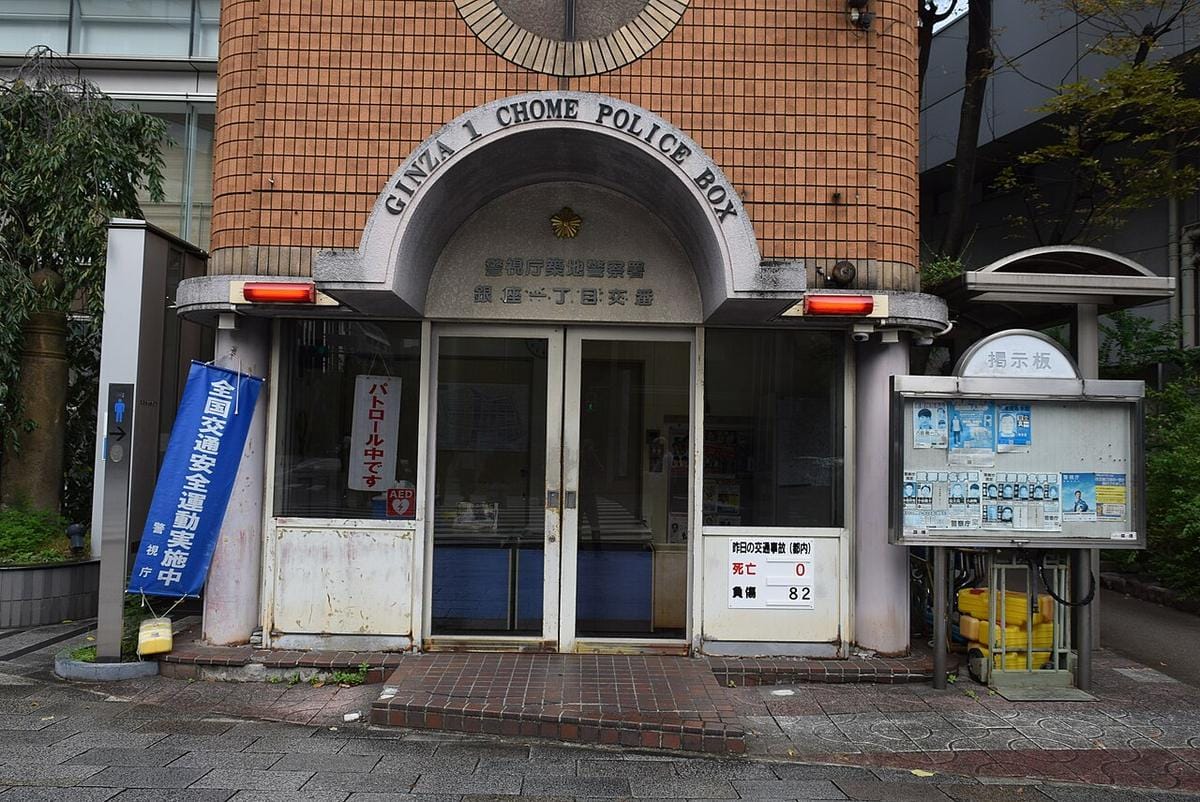 NextPolice & lost things
More in this section
 Hospitals & clinicsWhere to go when you're ill, and what to bring.
- Pharmacies & medicineDrugstores vs pharmacies, and bringing your own medicine.
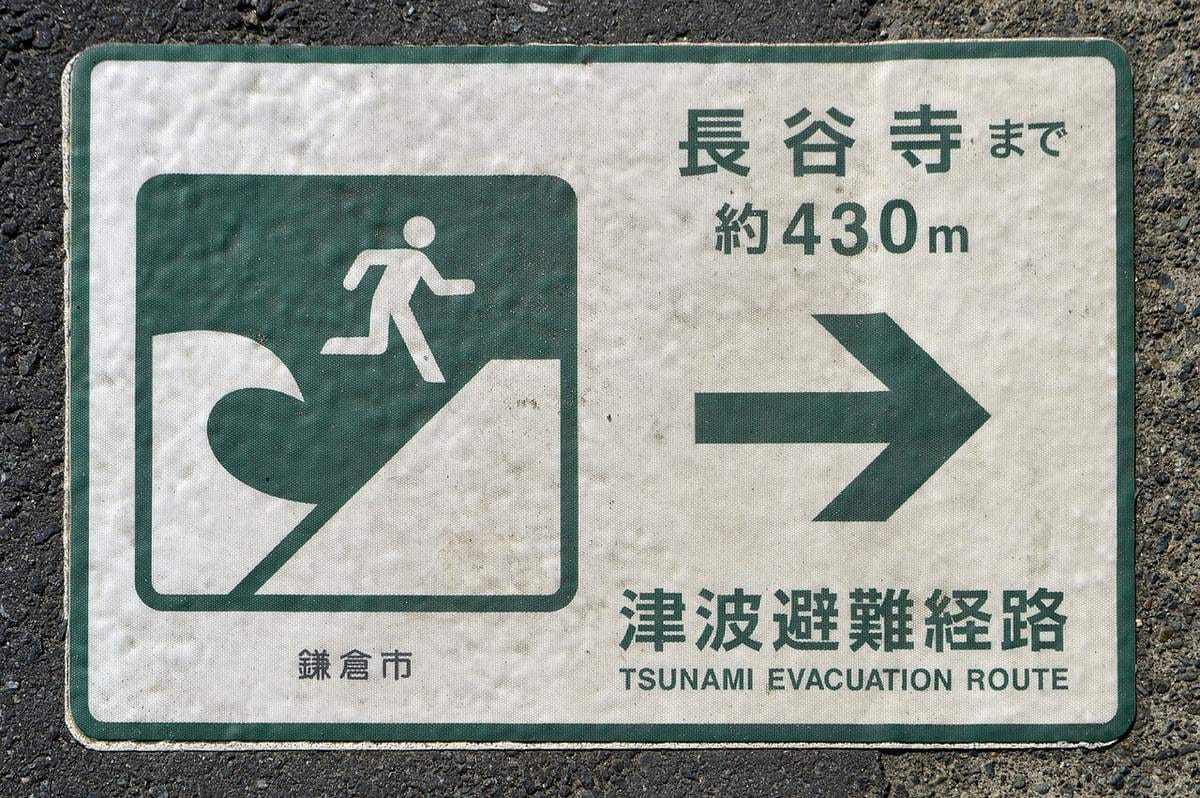 Earthquakes & evacuationWhat to do during the shaking, after it, and if a tsunami is coming.
- Lost passportPolice report first, then your embassy.
- HeatstrokeSpotting it early, heat alerts, and keeping cool.
- Lost card & no cashBlock a lost card, and where to get cash with an overseas card.