Getting around
Airport to the city
Every big airport has a train station under or next to the terminal, plus buses to hotels and main stations. Trains are usually fastest; buses are easier with heavy bags; taxis are the simplest late at night.
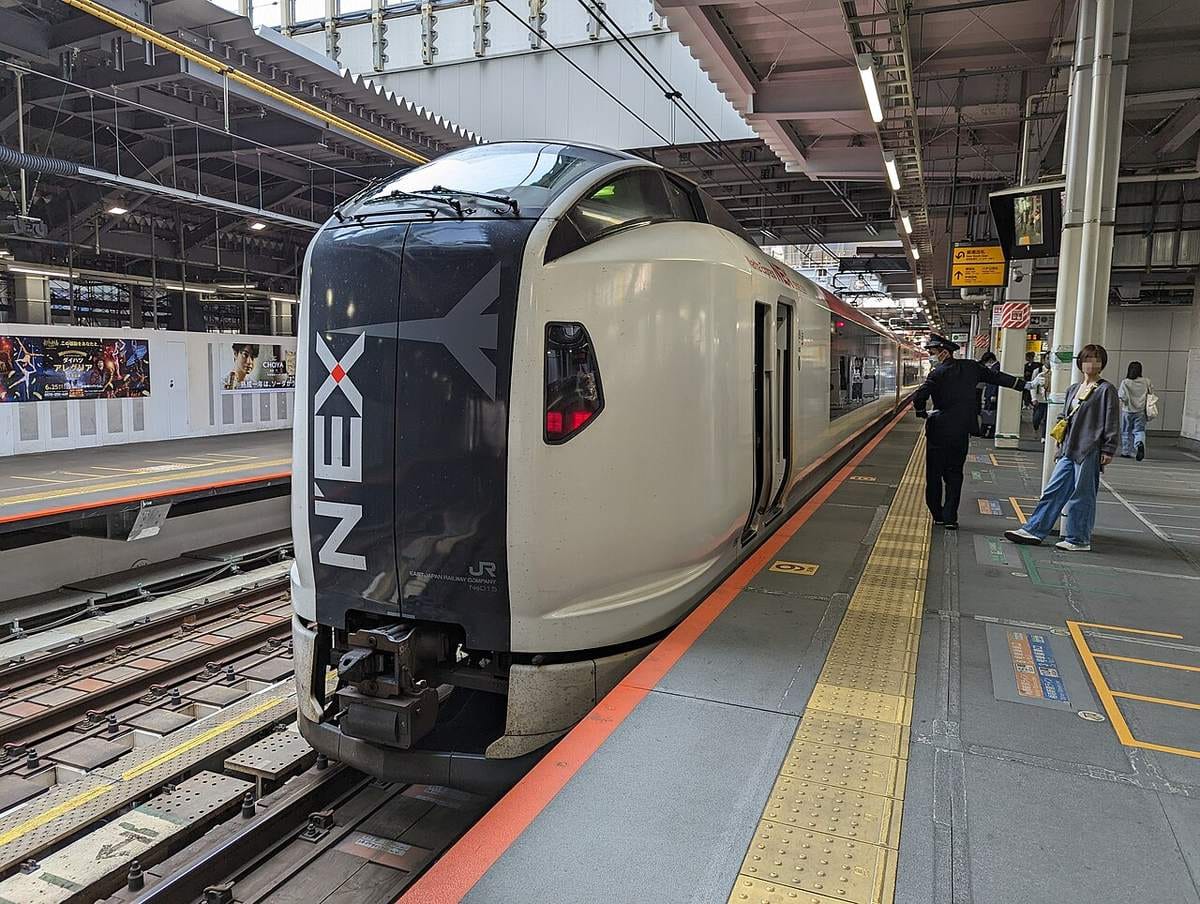
Photo: Syced / Wikimedia Commons (CC0)
Train, bus or taxi?
Step by step
Look up your hotel's nearest station before you land.
After customs, follow the signs for trains (鉄道) or buses (バス).
If you are unsure, show the address with the line below at the information desk.
- Train: fast and on time. Good if your hotel is near a station.
- Airport bus (limousine bus): your suitcase goes under the bus, and some stop at big hotels.
- Taxi: door to door, the most expensive way, useful late at night or in a group.
Common mistakes
- Waiting until you land to work out the route — airport Wi-Fi works, but the queues at the counters can be long.
From Narita
- Keisei Skyliner: reserved seats to Nippori and Ueno — handy for the east of Tokyo.
- JR Narita Express (N'EX): reserved seats to Tokyo Station and on to other big JR stations.
- Slower Keisei and JR trains: cheaper, with more stops.
- Buses to Tokyo Station and some hotels.
Good to know: Narita is far from central Tokyo — allow about an hour or more whichever way you go.
From Haneda
- Keikyu Line: to Shinagawa, with some trains continuing on to the Asakusa area.
- Tokyo Monorail: to Hamamatsucho, where you change to JR lines.
- Buses to big stations and hotels, and taxis from outside arrivals.
Good to know: Haneda is close to the city, so a taxi there costs much less than from Narita.
From Kansai (Osaka)
- JR limited express Haruka: to Tennoji, Shin-Osaka and Kyoto.
- Nankai Railway: to Namba in Osaka. Supported gates take a contactless card tap.
- Buses to Osaka, Kyoto, Kobe and Nara.
Get an IC card at the airport
Step by step
At Narita or Haneda, buy a Welcome Suica at the machines or the JR East Travel Service Center — it needs no deposit.
Top it up with cash at a ticket machine.
Tap it at the gate for trains, and on buses in most cities.
Common mistakes
- Tapping an IC card at a reserved-seat express gate without a seat ticket — some express trains need a separate ticket.
Landing late at night
Step by step
Check the time of the last train and bus before you fly.
If you miss them, go to the taxi rank outside arrivals.
Show the driver your hotel's address in Japanese with the line below.
Common mistakes
- Getting into a car with someone who approaches you in the arrivals hall — use the official taxi rank.
Sources
Sources (checked 2026-11-05). Facts, numbers and prices on this page come from these official pages.
- Airport operatorsNarita Airport: Access(opens in a new tab)Narita Airport: getting to and from the airport
- Airport operatorsHaneda Airport: Access(opens in a new tab)Haneda Airport: getting to and from the airport
- Railway operatorsNankai: Touch payment(opens in a new tab)Nankai Railway: paying by contactless card touch
- JR EastWelcome Suica: How to purchase(opens in a new tab)JR East: how to buy a Welcome Suica card
- Japan National Tourism Organization (JNTO)Getting Around Japan(opens in a new tab)JNTO: getting around Japan by train, bus and more
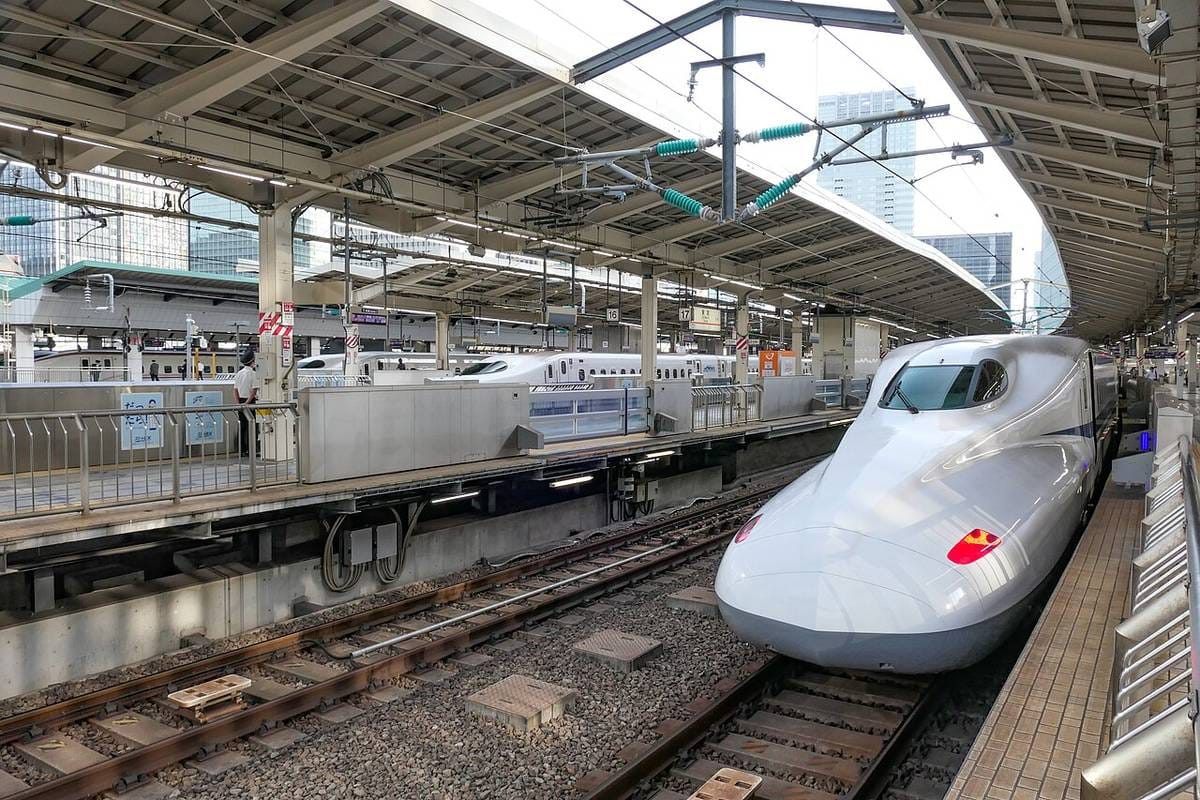 NextTrains & stations
More in this section
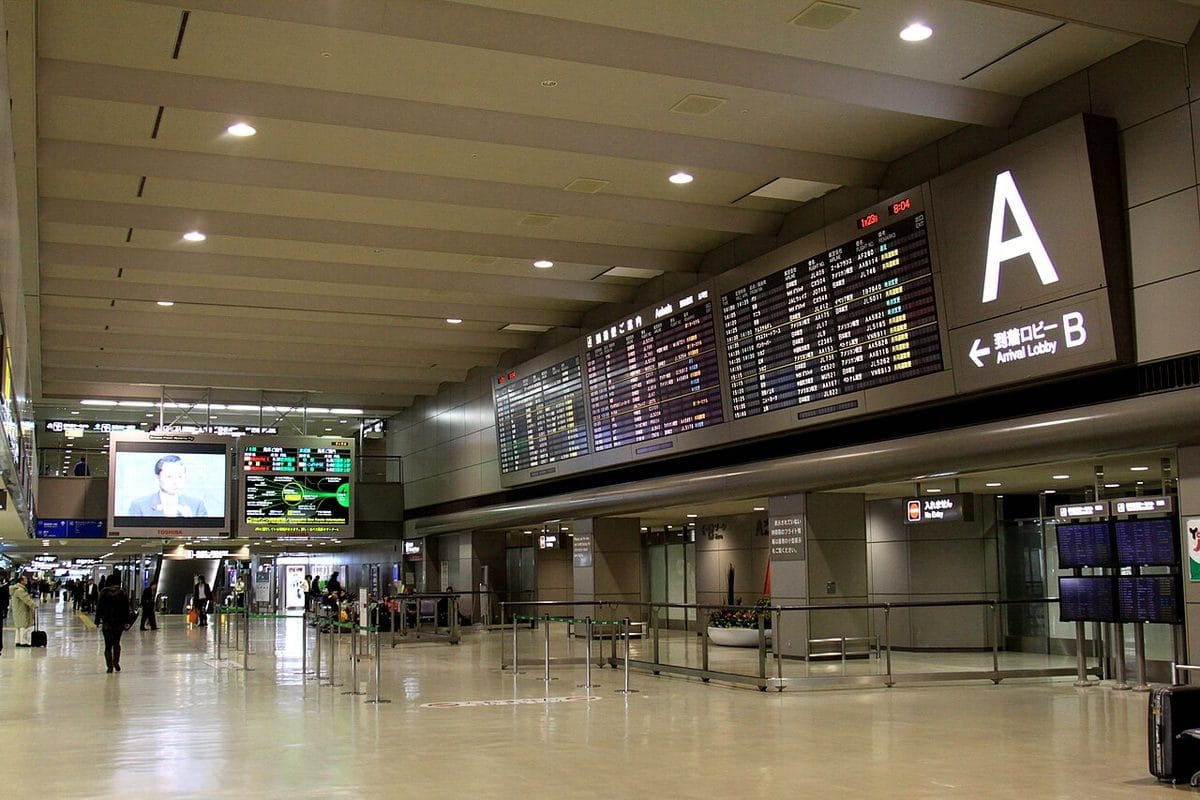 Arriving & leaving JapanImmigration and customs on arrival, and the departure tax.
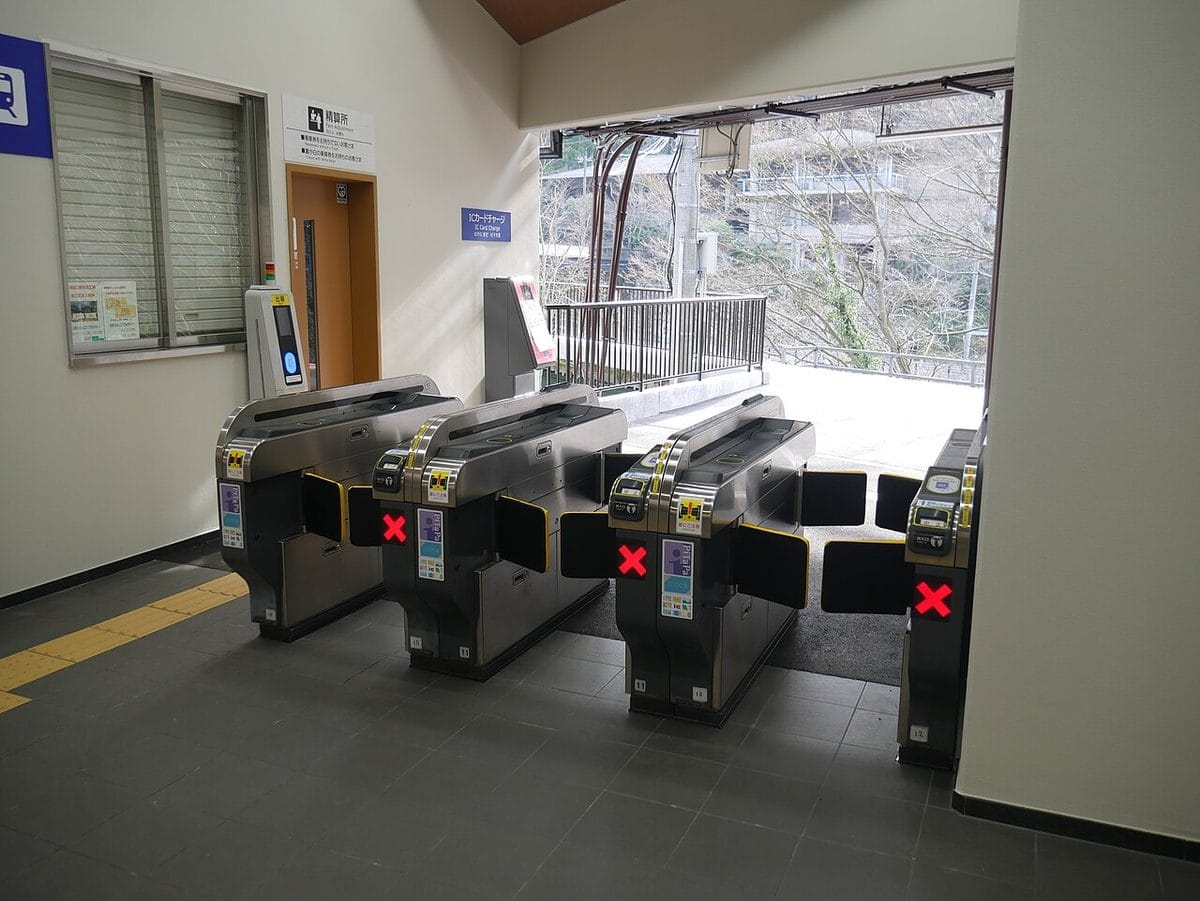 IC cards (Suica, PASMO, ICOCA)Which card to get, tapping through the gate, topping up.
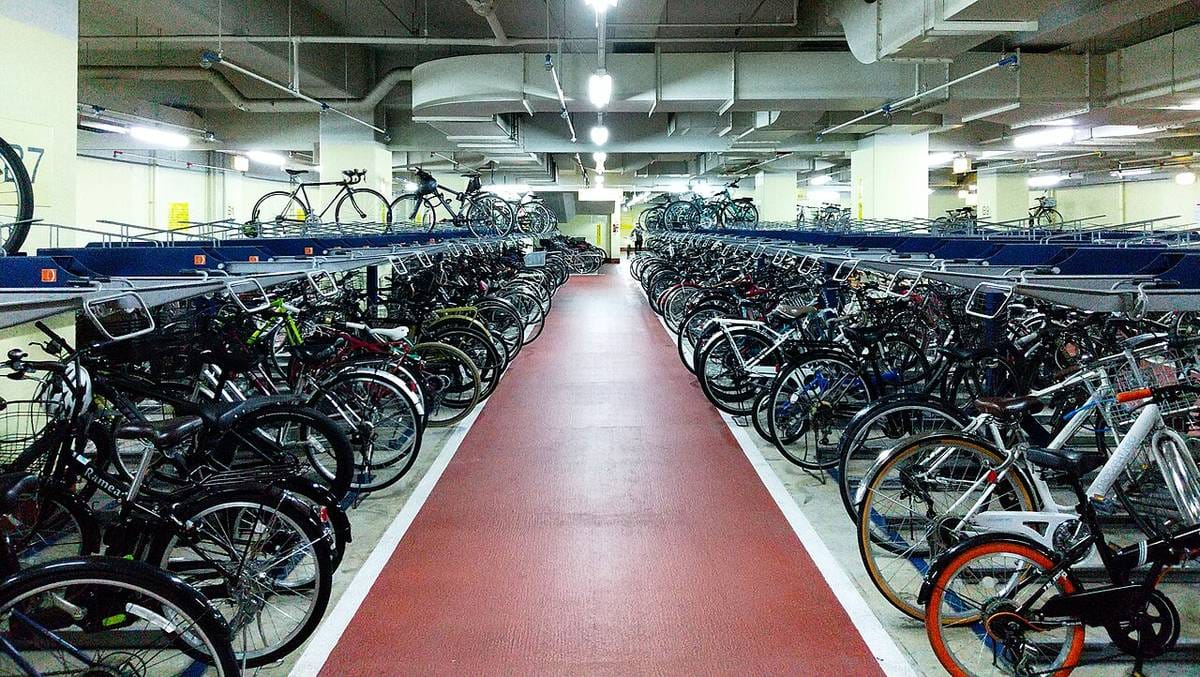 Driving & cyclingWhich licence you need, driving on the left, and the cycling rules.
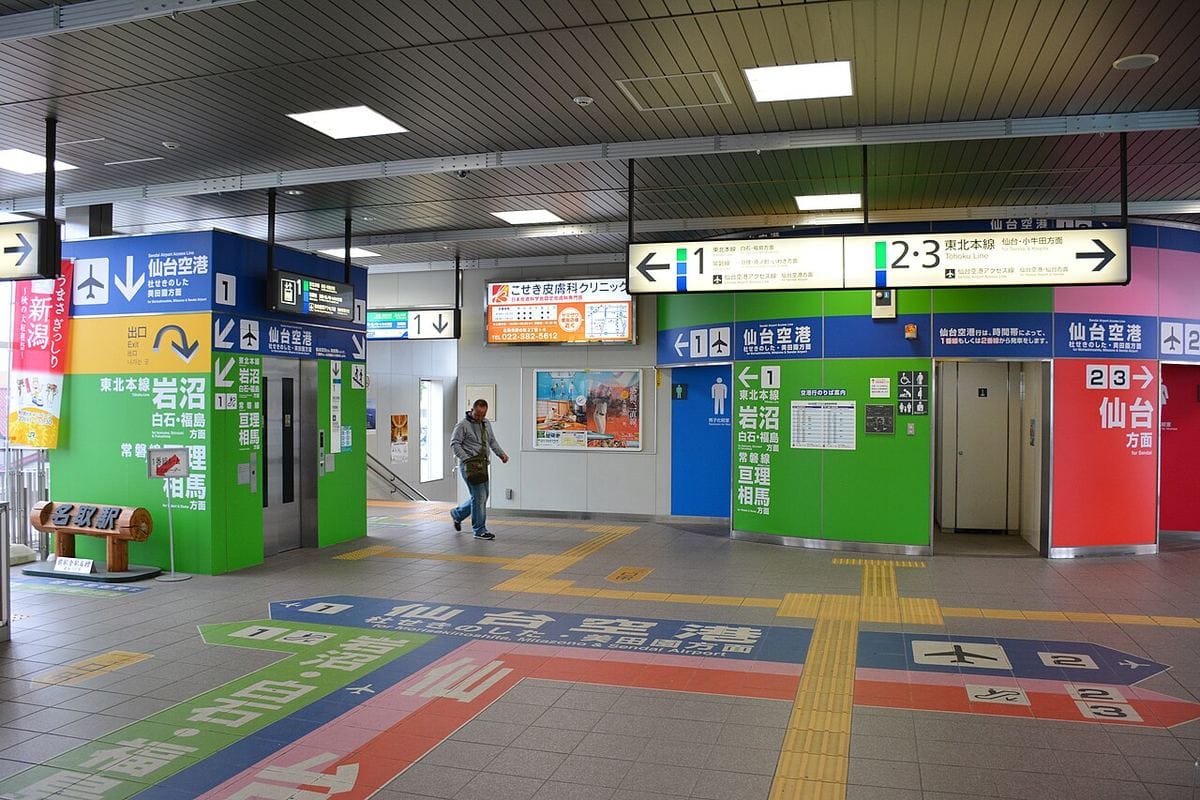 Accessible travelWheelchair help on trains, elevators, accessible toilets and taxis.
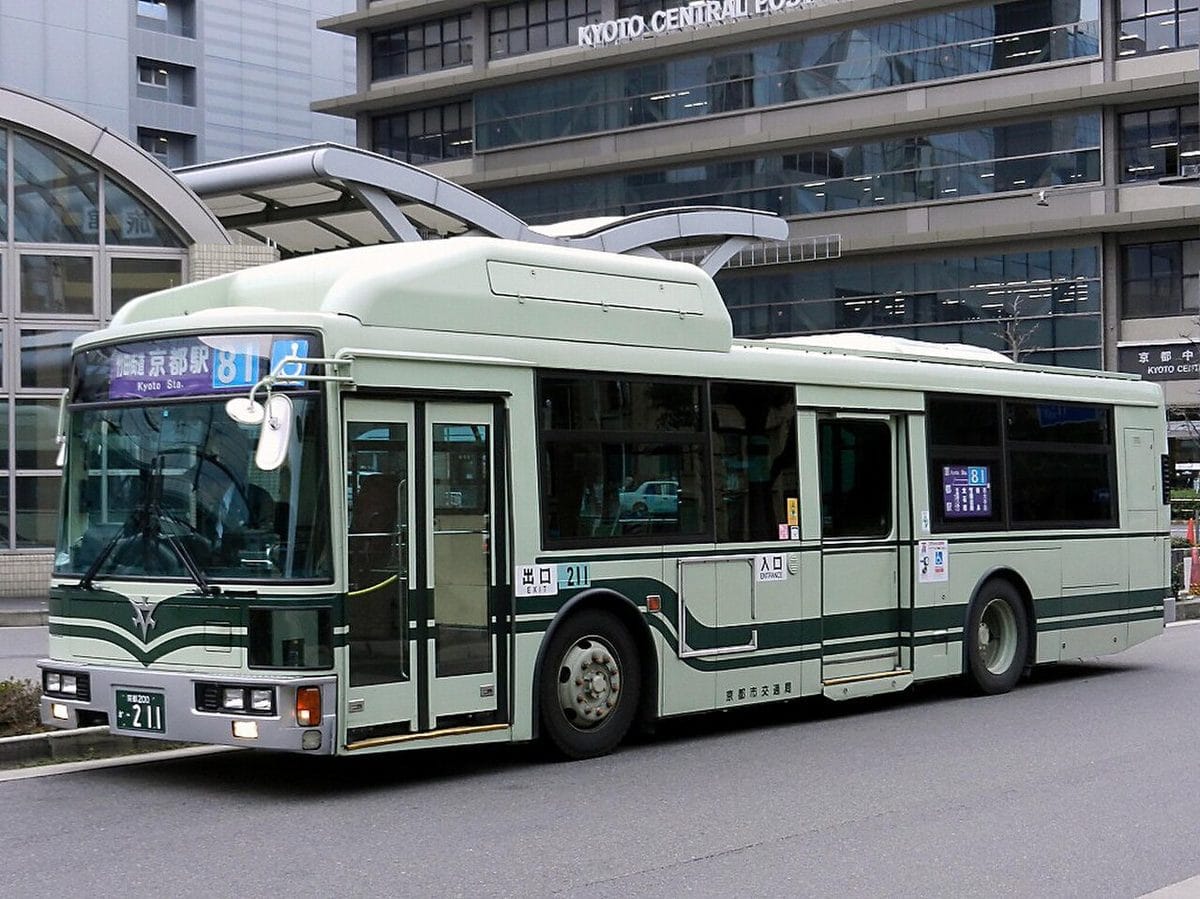 Local busesWhich door, the numbered ticket, and paying when you get off.
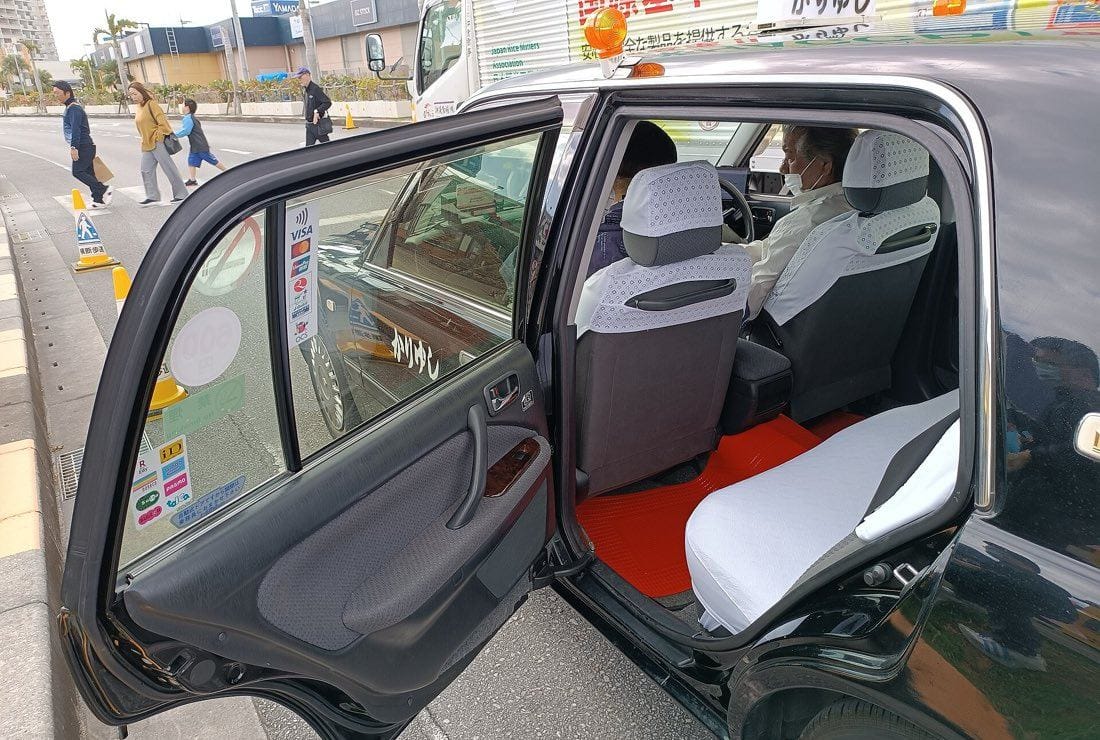 TaxisDoors that open by themselves, and showing where you're going.
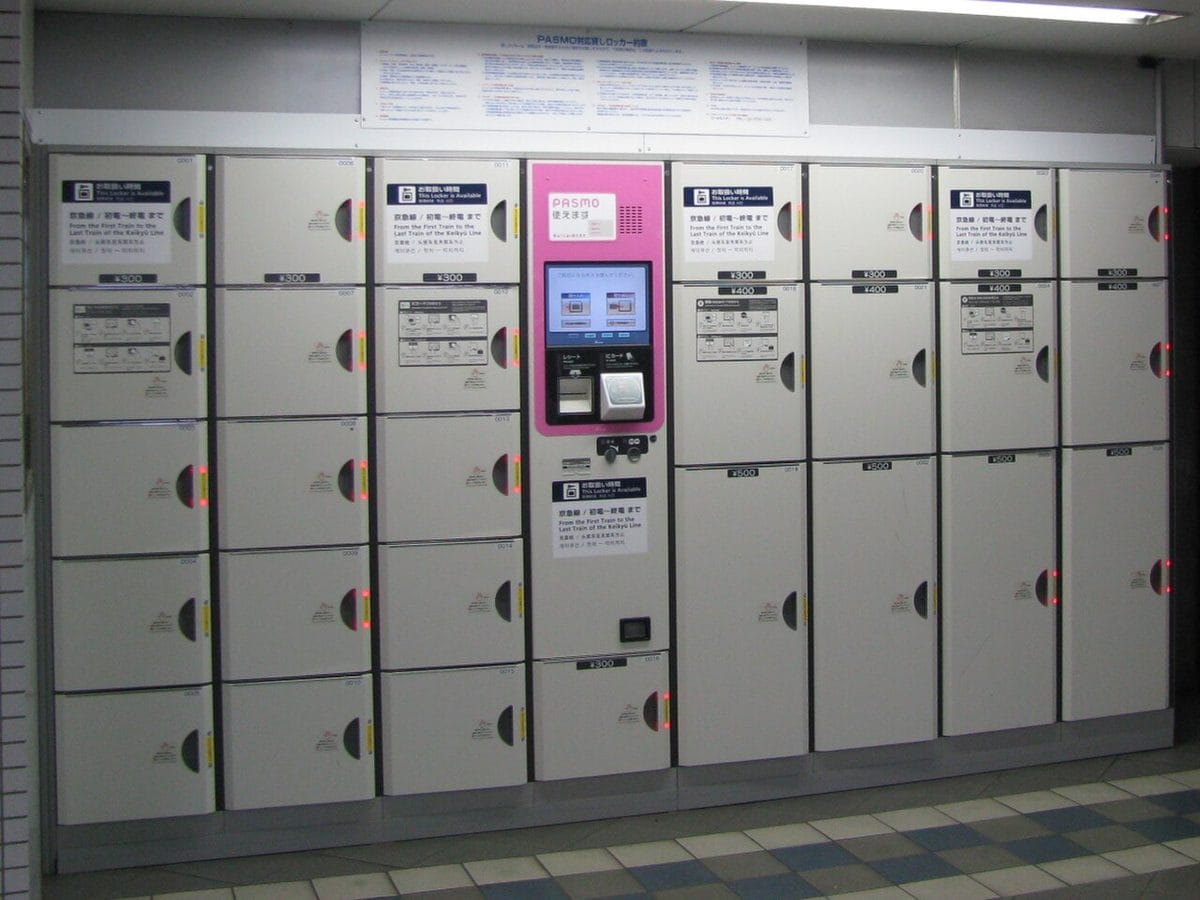 Luggage: lockers & forwardingCoin lockers, sending bags ahead, and big suitcases on trains.